
Practical guides
Child Tantrums and Hitting: A Calm Response Plan for Au Pairs
A parent-and-au-pair plan for tantrums, hitting and difficult transitions, with four calm steps, a fictional example and a one-page handover.
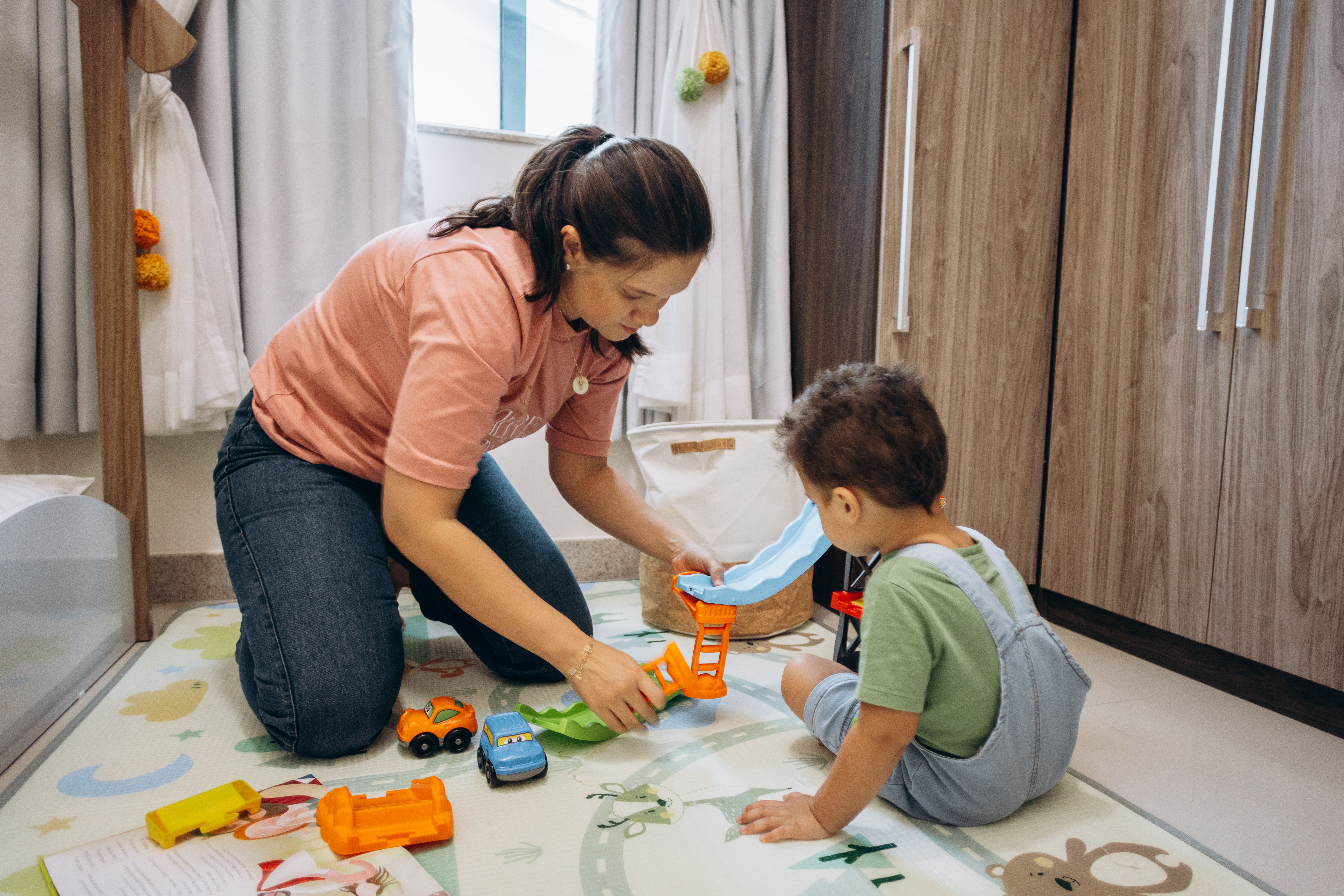
When a child shouts, drops to the floor or hits during a handover, an au pair should not have to invent a discipline policy. Protect safety first, use the family's agreed limits, stay calm and involve a parent when the situation goes beyond the plan. This guide is for everyday childcare disagreements, not clinical advice or specialist behaviour treatment.
Agree before the first solo shift
A parent should describe the child's age, communication needs, familiar triggers and successful responses: tiredness after nursery, leaving a playground, putting on shoes or sharing toys. A child who struggles to follow instructions may not be deliberately disobeying. Decide which parent is reachable and exactly when the au pair must call. The family's own professional support plan, if any, takes precedence.
Set non-negotiable limits: no hitting, shaking, threats, humiliation or painful restraint by an adult . Never expect an au pair to invent physical interventions. In immediate danger, protect people and contact the parent or appropriate emergency service. The WHO's May 2026 review explains why corporal punishment harms children.
Four steps for an ordinary tantrum
-
Make the space safe. Move dangerous objects away, protect siblings and keep the child supervised.
-
Lower the intensity. Speak slowly in short sentences. Do not lecture, shout or threaten while a child is overwhelmed.
-
State the limit and give a small choice. "You're upset. I won't let anyone be hit. We can sit here or walk together to a quiet spot."
-
Reconnect afterwards. When calm returns, acknowledge a safe step, practise alternative words if appropriate, and give the parent a factual account.
The CDC's 2026 direction-giving guidance recommends simple age-appropriate directions, one at a time, in a neutral tone. UNICEF's positive-discipline guidance emphasizes clear expectations, connection and non-violent responses. No single technique works for every child.
When a child hits, bites or throws
This is a separate safety boundary, not a behaviour to dismiss. Protect the person being hit, interrupt the activity safely and state "I won't let you hit." Contact a parent if a child or adult is injured, the behaviour repeats, or the agreed response is not sufficient. Do not pin, lock away, shake or deprive a child of food. Specialized physical interventions are not something an au pair should improvise.
Fictional example: shoes before school
At 08:05 a three-year-old throws a shoe and yells "No!" The au pair checks that nobody is hurt and says, "You don't want shoes yet. We need them to go outside. Blue pair or green pair?" When the child swings at a sibling, the au pair separates the children and phones a parent as agreed. The parent decides whether the school run needs to change. Later, the adults discuss whether a five-minute warning would make tomorrow easier. This is an invented example, not a promise that a particular sentence will stop a tantrum.
A private one-page handover
Write down these seven fields together:
-
Child and context: age, communication abilities, relevant needs and routines.
-
Observed triggers: tiredness, hunger, transitions or overstimulation; no invented diagnoses.
-
First response: agreed short phrases, redirection and acceptable choices.
-
Safety threshold: what happens after hitting, biting, dangerous throwing or unsafe running.
-
Parent takeover: whom to call immediately and which adult is the backup.
-
Follow-up: factual notes without blame, humiliating labels or public photographs.
-
Review: a five-minute check-in after the first week and whenever the plan stops working.
Parents remain accountable
Parents retain responsibility for important decisions about care, professional assessment and safeguarding. If a child is injured, in immediate danger or discloses abuse, follow local emergency and child-protection procedures, not this ordinary behaviour checklist. Persistent severe distress deserves appropriate professional assessment; an au pair should not be expected to diagnose its cause.
Pair this plan with AuPairsy's first-week handover, screen-time agreement and school-pickup backup plan. Agree on the response before anyone must improvise.
Illustrative photograph: Jonathan Borba / Pexels . Not a real AuPairsy family.