
Taking Children on Public Transport With an Au Pair: A First-Trip Plan
Before your au pair takes a child on a bus or train, agree on tickets, boarding, supervision, a missed-connection response and a backup adult.
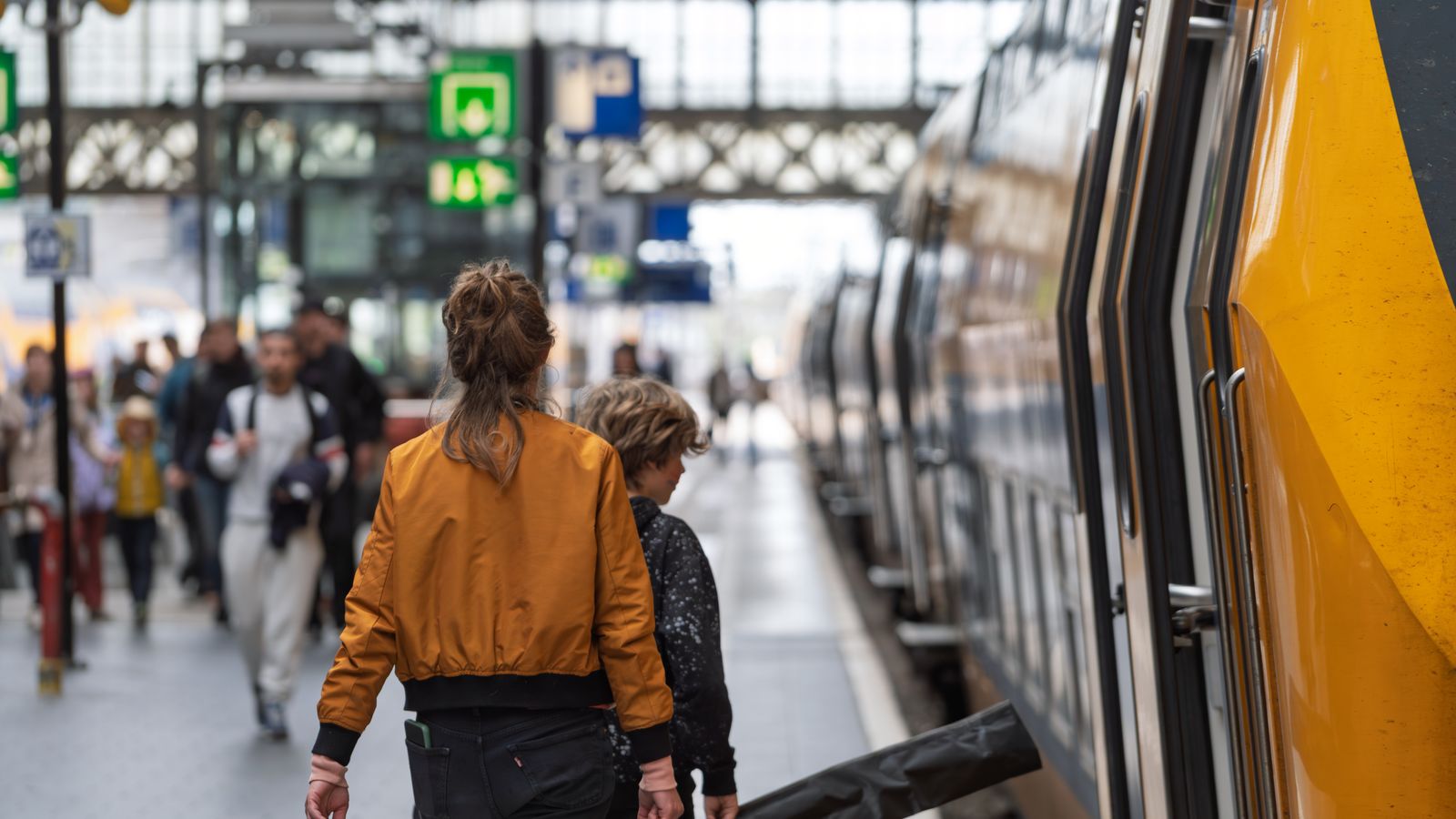
An au pair can take a host family's child on public transport when the trip fits the agreed childcare duties, the adult can supervise the child safely, and any required parent permissions and local travel rules are satisfied. Start with a short, familiar journey together. The parent remains responsible for choosing an appropriate arrangement; a ticket does not replace a childcare handover.
Decide whether the journey is suitable
Choose the exact departure stop, platform, exit and destination. Walk the route together at a realistic time, especially where there are lifts, crossings, changes and busy boarding areas. Check the child's age, walking ability, tendency to run, language needs and whether one adult can safely manage the child plus a buggy or bags. If not, simplify the trip or add another responsible adult. Agree on an end time within the au pair's permitted duty hours, tickets for both travellers, an emergency contact and who pays. Never assume the child travels free or that a parent's travelcard covers an au pair.
At the platform, stop and on board
Keep young children physically close and older children continuously in view. On a railway platform, follow the operator's markings and announcements; never retrieve something from the tracks. Swiss Federal Railways (SBB) says to wait behind the white safety lines, position a pushchair parallel to the tracks with its brake on and hold smaller children's hands. Let other passengers exit before boarding, check the gap, and never rush a closing door. On board, use appropriate seats and buggy spaces without blocking doors, aisles or accessibility areas. Follow staff instructions.
If the service changes or someone becomes separated
If a lift fails, a bus is full, a child becomes overwhelmed or the connection is missed, stay together in a safe place, contact the parent and agree on the next step. Do not run for a departing vehicle or leave a child unattended to fetch a ticket or bag. If separation occurs, alert station or vehicle staff immediately, give the child's description to the relevant authorities and contact the parent; follow the operator's emergency process and local emergency services where necessary. The family should rehearse a simple instruction with an age-appropriate child: stop, stay in a safe public place and ask uniformed staff for help rather than searching alone.
Fictional example: a library trip by train
Illustrative example, not an actual booking or family: A host parent accompanies an au pair and a five-year-old on a short local rail journey to the library on Tuesday. They identify the lift, safe waiting area, carriage door and accessible return route. On Thursday the au pair is due to take the child alone during agreed childcare hours. A cancellation occurs: rather than changing to an unfamiliar crowded connection, the au pair calls the parent from the station's safe waiting area. The parent agrees to postpone the outing. Nobody loses sight of the child, and the duty time stays recorded.
The seven-line handover card
-
Purpose, destination, route and approved return time
-
Child's needs: age, walking or buggy support, allergies and comfort
-
Adult supervision: handholding, boarding and any second helper
-
Tickets, fares, spending approval and who pays
-
Access: lifts, buggy spaces, station exits and a simpler backup route
-
Disruption: call parent, postpone or return; never improvise a risky transfer
-
Parent contact, backup adult and what to do if separated
Local operator rules are not interchangeable
Operators set different conditions for fares, strollers, priority spaces and accessibility. For Switzerland, SBB publishes separate station and on-train guidance for children. Germany's Deutsche Bahn recommends lightweight folding pushchairs because space can be limited, particularly when trains are busy. In London, Transport for London notes that wheelchair users have priority in bus wheelchair spaces and a buggy may need to be folded. These are examples, not universal international rules. Check the specific operator and route again on the day of travel.
SBB: at the station with children
SBB: safety at stations and aboard
Deutsche Bahn: pushchairs on trains
Related AuPairsy guides
School pickup authorization and handover
Who pays for children's transport tickets
Cover photo: Martijn Stoof / Pexels (Pexels free-use licence). People pictured are illustrative, not AuPairsy members. Prepared with AI assistance using the linked official transport guidance checked on 19 November 2026; the example is fictional and no journey was field-tested.