
Practical guides
Can an Au Pair Share Photos of Your Child? A Consent Plan
Can your au pair share children's photos? Agree on consent for capture, storage, private forwarding and public posts using a seven-line family handover.
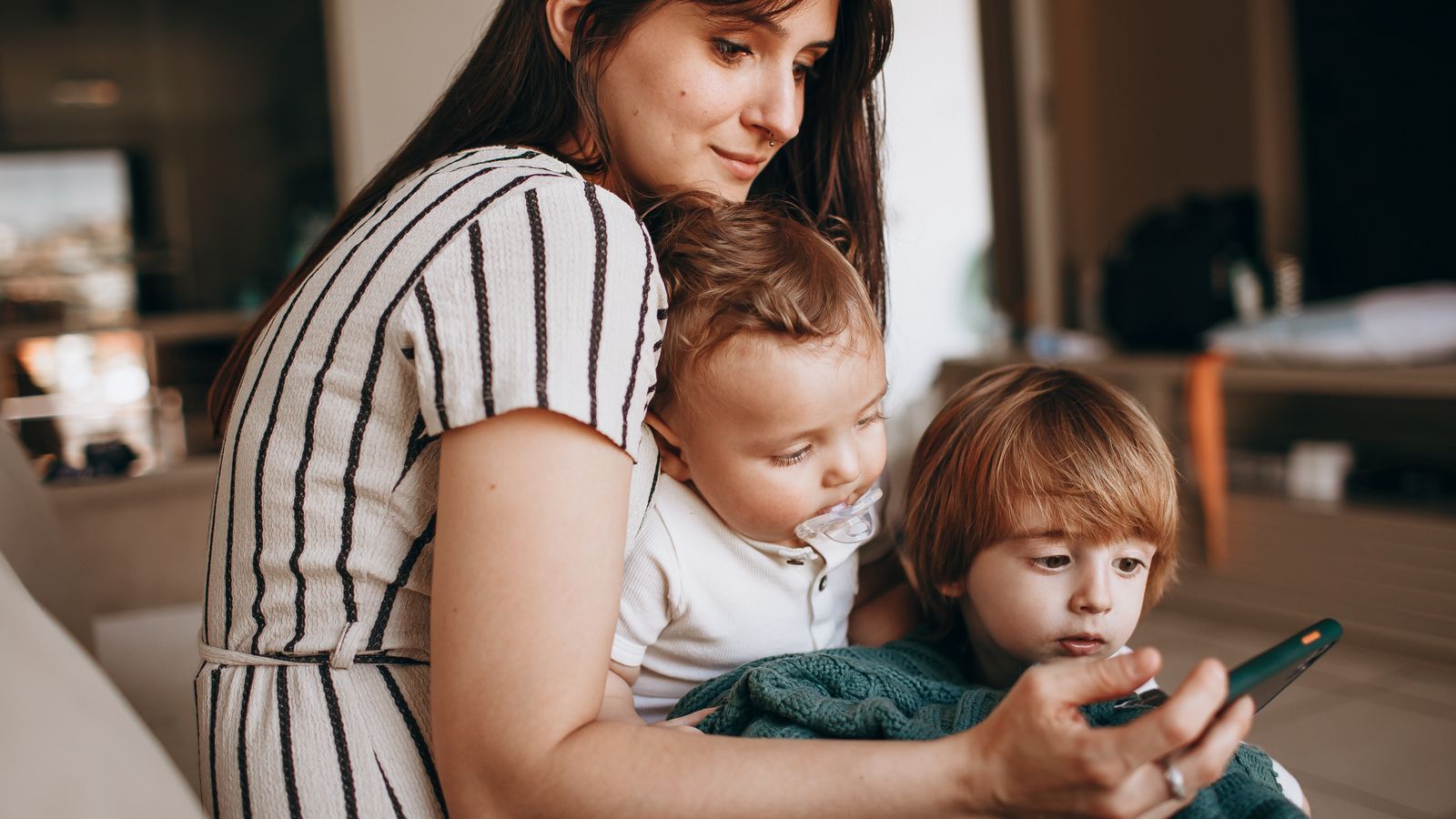
Can an au pair take and share photos of a host family's child? Only within the boundaries the responsible adults have agreed, while also respecting the child's wishes and applicable law. Taking a photo, keeping it on a device, sending it privately and posting it publicly are four different decisions. Permission for one does not automatically cover the others. The safest default is no public posting of identifiable children.
This guide focuses on the everyday decisions families and au pairs should settle before the first outing. It is a practical agreement, not a universal legal consent form. National rules, custody arrangements and safeguarding requirements may demand more. Guidance and links below were checked on 19 November 2026.
Ask four separate questions, not one vague yes
-
Capture: May the au pair photograph the child at all? Specify occasions and whether school, medical, changing or distressed moments are always off-limits. Never take intimate photos as part of ordinary childcare.
-
Store: May images stay on the au pair's personal phone, in automatic cloud backups or in a shared family album? Choose one approved place and who can access it.
-
Send: May a photo be sent to the parents? What about a grandparent, friend, family group chat or another child's parents? Agree each audience, not just the messaging app.
-
Publish: Is any identifiable image allowed on social media, in public stories, livestreams or an au-pair profile? Default to no unless the responsible guardians give specific permission and the child is comfortable.
A private account is not a private promise: recipients can forward or screenshot content. Remove location tags, avoid visible school names, house numbers and daily routes, and do not use a child's name as a public caption. Australia's eSafety Commissioner explains why even limited sharing can spread beyond the intended audience.
Worked example: one photo from the playground
Fictional example: Maya is looking after six-year-old Leo. His parents approve one playground photo sent directly to both parents in their agreed private channel. Maya takes the picture, checks it for other identifiable children, sends it, and deletes the local copy according to the family's agreed retention rule. That does not authorize sending the photo to Maya's friends or posting it as an Instagram story. If another child appears, Maya asks that child's guardian before any further sharing or chooses a different picture.
Leo says he dislikes the photo. Even if a parent had previously agreed, Maya stops and tells the parents. Asking the child is a practical sign of respect; a young child's agreement does not replace any legally required guardian permission.
A seven-line photo agreement to complete together
-
Who can authorize images? Name the responsible parent(s) or guardian(s), plus any restrictions.
-
Which moments can be photographed? State clear no-photo situations.
-
Which devices and storage locations are approved? Include cloud backups and shared albums.
-
Which exact recipients may get a private picture, and through what channel?
-
Is public posting ever permitted? If not, write 'No public posts or livestreams.'
-
When must local and backup copies be deleted, including at the end of the placement?
-
Who should be told immediately if a photo is shared in error, and who requests removal?
Keep this agreement in a private household handover, not in a public matching profile. Both host family and au pair should have a copy. Review it if the child's wishes change, another family joins an outing, or a different device or platform is introduced. Respect the au pair's own privacy: parents do not need access to the adult's personal accounts to establish reasonable childcare photo rules.
If a photo is shared without permission
Ask for immediate removal from the account or chat, stop further forwarding and record where it appeared without redistributing the image. Tell the responsible guardians promptly, agree who contacts recipients or the platform, and use the platform's reporting process if removal is refused. If the image presents an immediate threat to a child, use the appropriate local safeguarding or emergency channels. Do not pretend that deleting an original guarantees every copy disappears.
One country example: France
French privacy regulator CNIL explains that France's law of 19 February 2024 strengthened children's image rights and parents' duties to respect the child's privacy. CNIL also notes case law treating online publication of a child's image as a non-routine parental decision involving both parents' consent. This is French-specific information, not a rule that automatically applies in Germany, the UK or every host country. Check guardianship, local data-protection rules and any relevant court order before authorizing publication.
Sources and next steps
Australia's eSafety Commissioner --- Protecting your child's privacy
France's CNIL --- Sharing children's photos and videos online
AuPairsy --- House rules, privacy and personal boundaries
AuPairsy --- Plan a family media handover
Photo credit: Helena Lopes / Pexels, under the Pexels free-use licence. Illustrative people are not AuPairsy customers. Prepared with AI assistance; no personal placement or legal review is claimed.