
Potty Training With an Au Pair: A Calm, Consistent Handover
Parents lead the toilet-training decision; an au pair can follow the same gentle routine. Use this practical plan for prompts, accidents and handovers.
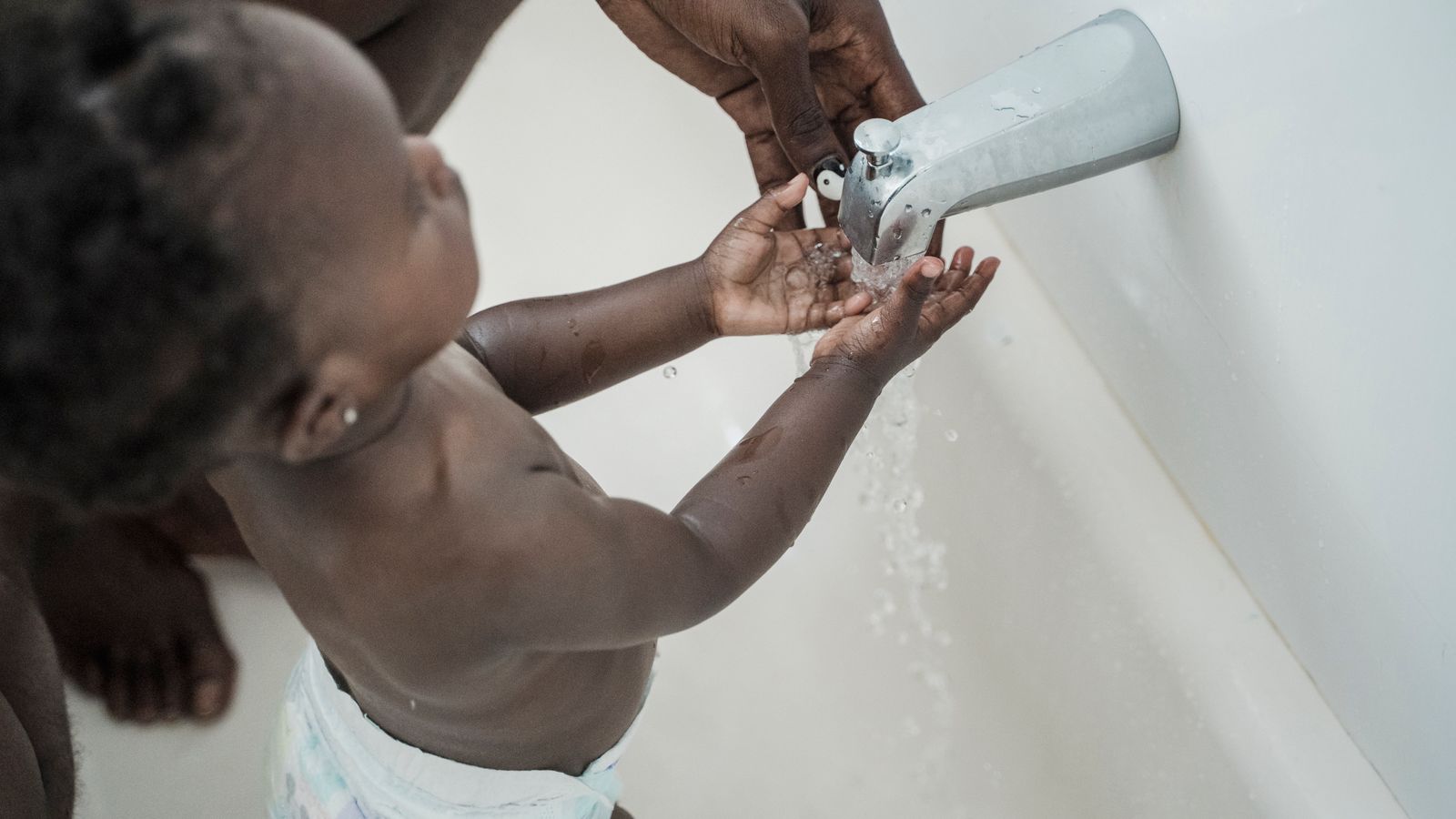
Can an au pair help with potty training? Yes---when the parents have decided the child is ready, explained the routine and agreed which assistance is appropriate. The au pair supports the family's plan during agreed childcare hours; they should not set a deadline, force a child to sit, diagnose toileting problems or become responsible for making the child "succeed."
Let the child's readiness lead
Readiness differs between children. Signs may include noticing a wet nappy, signalling a need to go, staying dry for a longer stretch, showing interest in the potty and managing basic clothing with help. The CDC notes that many children are not ready until around ages two to three; the NHS advises avoiding pressure and major disruptions. These are observations, not a test or a deadline. Parents decide when to start, and adapt the plan for a child's abilities and support needs.
Agree on a plan before the au pair takes over
Before the first solo shift, show the au pair the bathroom and rehearse one ordinary visit. Write down these decisions rather than assuming everyone uses the same approach:
-
The words: use the same simple, respectful terms for wee, poo, toilet and asking for help. Let the child choose words they understand.
-
The invitation: agree when to offer a potty visit, for example after a meal or before leaving. An invitation is not a demand; do not force sitting.
-
The setup: choose a stable potty or secure toilet seat and foot support, easy-to-remove clothes, spare underwear and cleaning supplies.
-
Privacy and touch: explain who helps with clothing or wiping, what consent and dignity look like, and when a parent takes over.
-
The response: praise effort quietly, clean accidents without blame or punishment, and never use sweets or humiliating stories as leverage.
-
Working time: all supervision, cleaning related to the child's care and handover remain within the au pair's agreed duties and applicable hours.
A simple routine to follow together
Keep prompts predictable but responsive; the child still gets to notice and communicate their own needs.
-
Notice cues and offer a choice: "Would you like to try the potty before we go?" Accept a calm refusal and follow the parent's plan.
-
Help safely and briefly. Use the agreed seat, clothing assistance and privacy rules. Never restrain or leave a young child unattended in an unsafe bathroom.
-
Wash and dry hands with soap and water after using the toilet or cleaning up; the CDC recommends scrubbing for at least 20 seconds.
-
Record only useful observations: a requested visit, an accident or discomfort. Share privately with the parent; do not publish photos or a toilet-training score.
Fictional example: a three-hour afternoon
This is an invented example. At 15:00, a parent tells au pair Lina that three-year-old Mira is learning to recognise her own cues. At 15:25, Lina offers the potty before a short walk; Mira says no, so they take spare clothes. At 16:10, Mira has a wet-clothes accident. Lina reassures her, helps her change, cleans up and washes hands. At 17:45, Lina tells the parent what happened without calling it a failure. The parent decides whether to adjust tomorrow's routine. No outcome is promised.
When to pause and call a parent
An occasional accident is part of learning. Repeated distress, stool withholding, hard or painful bowel movements, blood, new urinary symptoms or persistent fear should be raised with the parent. NHS guidance notes constipation can complicate toilet training. The parent---not the au pair---decides on medical advice and any pause or change of approach. Never restrict drinks or give laxatives or other treatments unless instructed through an appropriate care plan.
Copy this six-point private handover
-
Readiness and current stage: what the child notices, signals and can do independently.
-
Words and privacy: agreed phrases, bathroom access, wiping or clothing assistance and boundaries.
-
Timing: gentle offers around usual transitions, plus what to do when the child refuses.
-
Equipment: potty or seat, foot support, soap, spare clothes and clean-up materials.
-
Accidents and symptoms: neutral clean-up, who to call, and which signs need prompt parental attention.
-
Review: one brief private note at the end of the shift and an agreed date to revisit the plan.
Keep this sheet private and revise it as the child changes. When a new au pair joins, demonstrate the routine before handing over care. Related AuPairsy guides on the first week at home and a short weekly check-in can help both adults discuss changes without pressure.
Official sources and related guides
NHS toilet-training guidance · CDC 2-year developmental milestones · NHS childhood constipation guidance · CDC handwashing guidance