
Practical guides
Swimming With an Au Pair: A Water-Safety Handover Before the First Outing
Before an au pair takes children swimming, agree on supervision, swim skills, life jackets, pool access and emergency procedures.
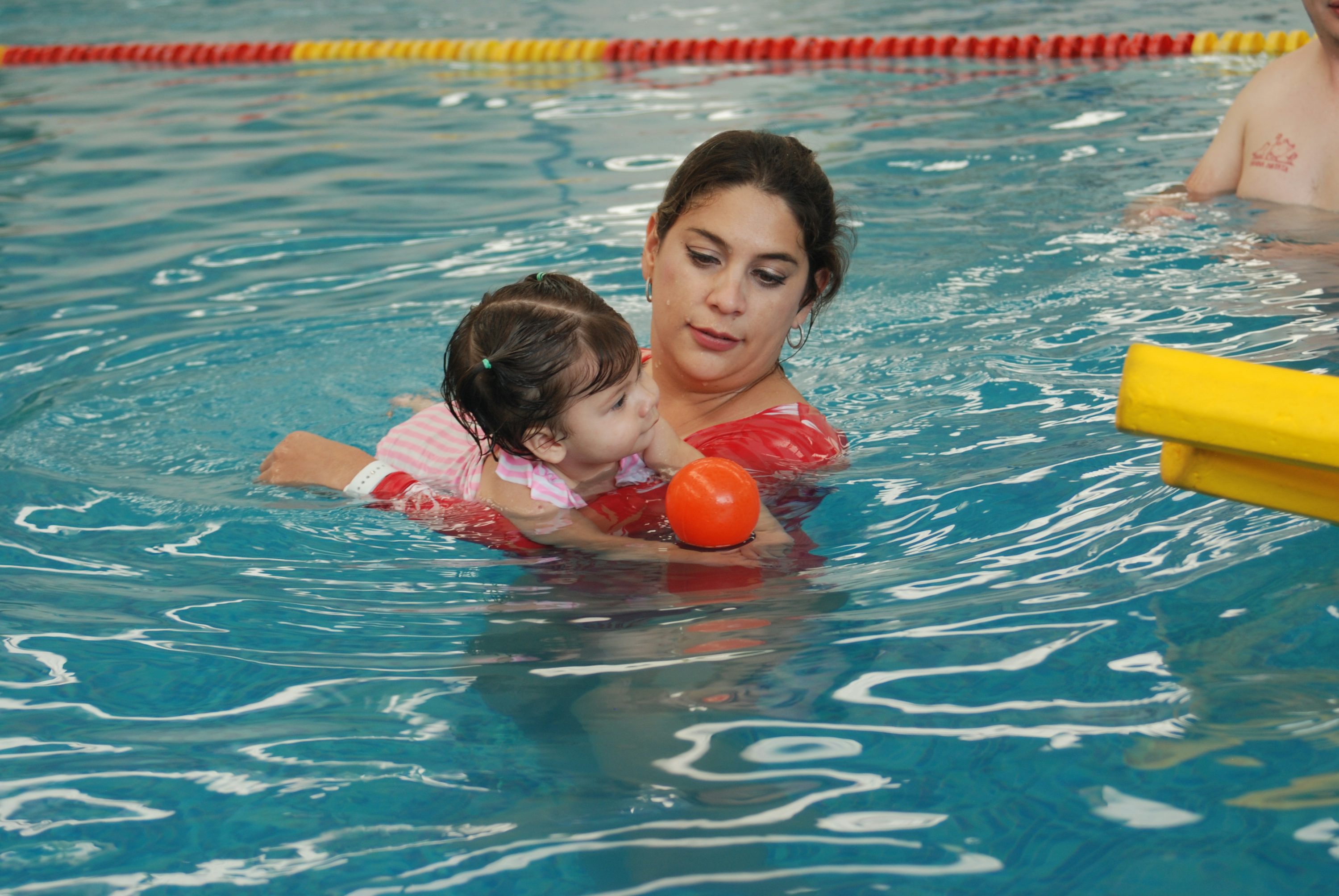
An au pair can sometimes take children swimming, but only with explicit parental permission for that outing, the ability to supervise safely at that location, and compliance with local rules. Swimming ability is not rescue training. If the au pair is not confident or the conditions are unsafe, choose an activity away from water or have a capable parent accompany them.
A named water watcher, not an assumed responsibility
Before anyone enters the water, name one responsible adult who watches continuously. For young children and weak swimmers, stay within arm's reach. No phone, reading or other task while supervising. A lifeguard adds safety but does not replace individual child supervision; previous swimming lessons do not remove the need either. When responsibility changes, say 'I am watching now' and wait for a clear reply. If no competent adult can take over, the child comes out of the water.
Home pool, public pool and open water require different checks
For a home pool, check a four-sided barrier separating the pool from the house, with a self-closing, self-latching gate. A cover or alarm alone is not enough. At a public pool, learn the depth, slides, changing-room arrangements, number of children and lifeguard instructions. For lakes, rivers and beaches, assess weather, currents, access and safe exits, and use properly fitted, locally approved life jackets when appropriate. Inflatable armbands or toys are not safety equipment. Parents should explain each child's true swimming ability, health and wandering risks.
Worked example: the first pool visit
Fictional example: A family has a four-year-old who cannot swim independently. At 14:10 a parent reviews the pool's rules with the au pair. At 14:25 they inspect the shallow area together, agree on a no-phone rule, and the parent stays the water watcher while the au pair observes. At 14:45 they discuss whether the au pair has the necessary skills for a future visit. If either is uncertain, swimming remains parent-led; the au pair can help with towels and changing. Do not test independent supervision during the first outing.
The seven-line handover to write down
-
Child: swimming skills, age, health or wandering concerns; store these details privately.
-
Venue: exact location, allowed zones, depths, access barriers, exits and rules.
-
Permission: which parent approved the outing, exact timing and backup adult.
-
Supervision: named watcher, arm's-reach rule and explicit spoken handover.
-
Equipment: suitably fitted life jacket where indicated, not inflatable floaties.
-
Emergency: local emergency number, lifeguard, rescue aids and CPR competence.
-
Stop rule: leave the water for fatigue, bad weather, uncertainty, a missing child or a supervision gap.
If the plan has a gap, do not swim
If the gate is open, the au pair cannot safely supervise, several children need incompatible attention, or the emergency plan is unclear, postpone. If a child is missing near water, check the water immediately and call emergency services. Do not attempt an unsafe rescue beyond your training; seek trained help and use appropriate rescue aids. Count the outing as childcare duty within the actual destination's programme rules, not as automatic free time.
For evidence and further reading see CDC, American Academy of Pediatrics, Royal Life Saving Society UK. Prepare the household handover with the first-week welcome plan and verify local programme limits in the AuPairsy country guides. Sources are safety guidance, not universal law. Photograph: Faride Araujo / Unsplash; illustrative, not a real AuPairsy family.