
Can an Au Pair Take Children Cycling? A First-Ride Safety Plan
Before an au pair cycles with a child, check the route, helmet, child seat or trailer, traffic rules and backup. Includes a seven-line handover.
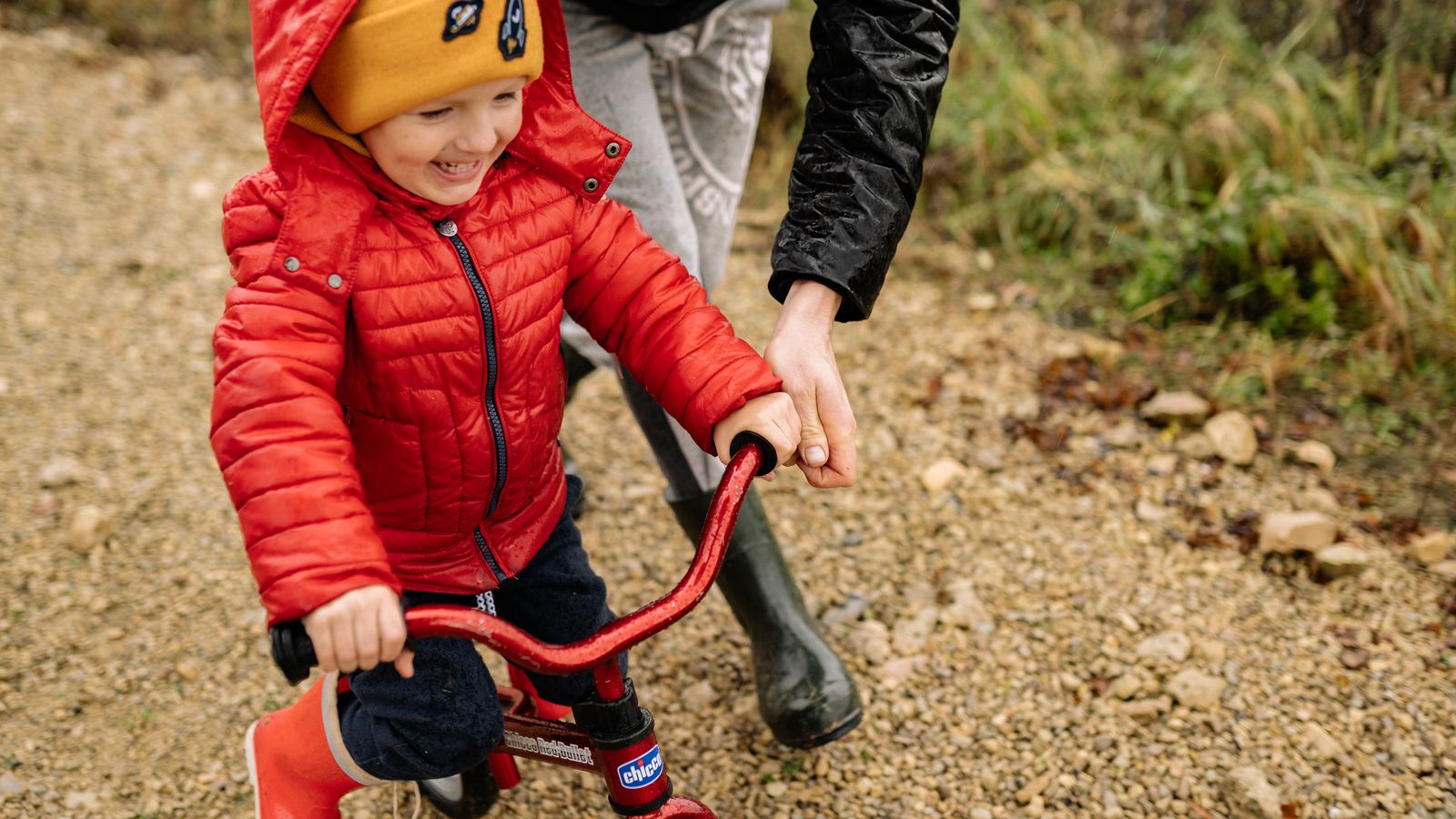
Yes---an au pair can sometimes take a host family's child cycling, if the parents approve the specific trip, local rules allow it, and the au pair has the skills, equipment and time to supervise safely. A bike ride is not simply a faster walk. Start by identifying whether the child will ride their own bicycle, sit in a child seat, or travel in a trailer. Each needs a different plan.
Decide what kind of ride the child can manage
A child riding independently must be able to start, brake, turn and follow instructions on the actual route; success on a playground is not proof of readiness for traffic. A child carried in a seat or trailer instead depends on the adult's control of a heavier bicycle, correct restraints and equipment designed for that child. Do not make an unfamiliar public-road trip the au pair's first practice ride.
Check the rider and the equipment together
Parents should provide and check the bicycle or e-bike, child seat or trailer, and approved route. Before leaving, fit helmets correctly; check tyres, brakes, lights, the seat or trailer coupling, straps and foot protection as applicable. Follow the manufacturer's size, weight and installation instructions. In Switzerland, the BFU recommends seats that follow EN 14344 and trailers that follow EN 15918; those are product-safety recommendations, not permission to disregard local traffic law.
Ask the au pair to practise steering, stopping, parking and manoeuvring with the actual setup in a safe space, with a parent present. If either adult is unsure, choose walking or another agreed option.
Choose the easiest route, not only the shortest
Agree a precise destination, a calm route with protected cycle paths where possible, each difficult crossing and a safe place to stop. Consider roadworks, hills, weather, darkness and what happens if the child refuses to continue. Riding beside a young independent cyclist requires different positioning and attention from carrying a passenger. Do a parent-accompanied rehearsal before handing over a solo journey.
Two country checks: Switzerland and the United Kingdom
As checked on 20 November 2026, Swiss road rules require children under six on main roads to be accompanied by someone at least 16; the BFU stresses that the child's actual skills still matter. Switzerland also requires a person carrying a child on a bicycle to be at least 16. In the UK, Highway Code Rule 59 advises a correctly fitting, fastened cycle helmet, and Rule 60 sets mandatory lights and reflectors for cycling at night. Rules differ between countries and types of bicycle: verify the law where the outing will happen, rather than importing a rule from another country.
Worked example: a short trip to the park
Fictional example: a family wants its au pair to take a five-year-old in a rear child seat to a park about 12 minutes away. The parent first tests the seat installation and child's size, rides the exact route with the au pair, and identifies one busy junction to avoid. They agree on a daytime trip using the quieter path, a check-in on arrival, and walking or a parent pickup if the weather changes. If the au pair is uncomfortable with the loaded bicycle, the outing happens on foot. The example is a planning exercise, not a certification of the route or equipment.
Copy this seven-line family handover
-
Child and ride type: own bicycle, approved child seat or approved trailer.
-
Named supervising adult, child readiness, and who makes the go/no-go decision.
-
Bicycle, helmet, restraint and coupling checks completed before departure.
-
Exact route, destination, crossing points and places to stop.
-
Departure and return time within agreed childcare duty hours.
-
Parent contact number, local emergency number and pickup backup.
-
Cancellation triggers: traffic, weather, faulty gear, fatigue or unease.
If the plan no longer feels safe
Stop in a safe place and contact the parent. If a child is injured or immediate danger exists, follow local emergency procedures. Do not continue solely to keep the schedule. Agree in advance who can collect the child and bicycle. Parents remain responsible for choosing a lawful arrangement, supplying suitable equipment and checking any applicable insurance or programme conditions.
Official sources and related AuPairsy reading
Swiss BFU: choosing and using a child bicycle seat
Swiss BFU: child bicycle trailers
Swiss BFU: children and road cycling rules in Switzerland
UK Department for Transport: Highway Code, cyclist rules 59--82
AuPairsy guide: a first public-transport trip with children
When interviewing a possible au pair, talk about real local journeys, not only whether they 'can ride a bike'. A specific route, a practice ride and the right to say no make a better childcare agreement. AuPairsy helps host families and au pairs connect and discuss expectations before making plans.
This guide was prepared with AI assistance. The example is fictional. The licensed cover photograph by Yan Krukau / Pexels illustrates a general cycling situation, not an AuPairsy customer or placement.