
First Playground Visit With an Au Pair: A Safe Handover
Before an au pair takes a child to the playground, walk the route together, check the equipment and agree on supervision, boundaries and a backup plan.
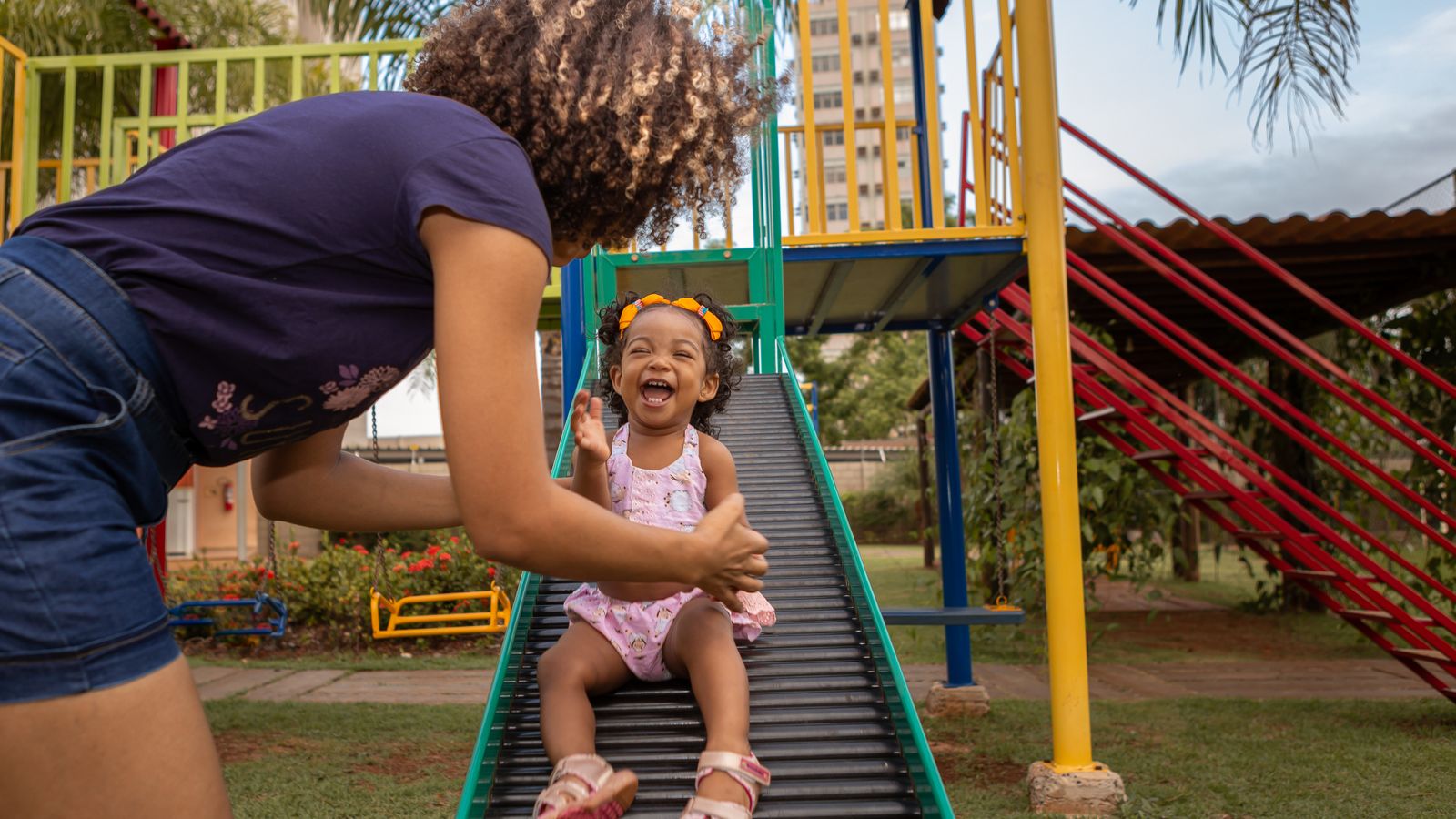
An au pair can take a host family's child to a playground when the trip fits the agreed childcare arrangement, the parents approve it and the adult can supervise safely. The first outing should not be a surprise test. Visit together first, identify the limits of the play area and decide what happens if conditions change.
Walk the route together first
Start at the actual door the child will leave from. Walk to the playground with the au pair, at a similar time of day to the planned visit. Check road crossings, entrances and exits, toilets, shade, phone reception and how long the return journey takes. A nearby park is not necessarily an easy park to supervise.
Agree which child or children will attend, the permitted route, the return time, what the child may eat or drink, and whether the au pair is expected to meet anyone else. If the adult cannot watch all children safely---for example, one child runs toward an exit while another needs help on a climbing frame---choose a smaller play area or arrange another adult. Count the outing and travel as agreed childcare time.
Five checks before play starts
- Look for equipment designed for the child's age and abilities; posted age signs help. 2. Check for broken parts, loose ropes, sharp edges, damaged surfacing or objects near the swings. 3. Touch-check sun-heated slides and other surfaces before use. 4. Look for moving swings, crowded exits and blind corners. 5. Remove bicycle helmets and clothing cords before using climbing equipment; they can snag.
The US Consumer Product Safety Commission's July 2025 Public Playground Safety Handbook recommends attentive supervision, age-appropriate equipment, checking surfacing and keeping sight lines clear. Its guidance is useful internationally, but it is not a substitute for local playground rules or legal requirements.
Supervise actively without controlling every game
For a preschooler, stay close enough to respond immediately, especially near swings, climbing structures and exits. Move your position as the child moves; sitting where the adult loses sight of the child is not a supervision plan. Avoid looking at a phone except when needed for care, navigation or an emergency. Do not go down a slide with the child on your lap; the CPSC warns this can cause leg injuries.
Tell the child the simple boundaries before play: where they can go, what to do when called, and that they must tell the au pair before leaving the play area. Do not rely on a young child to manage traffic, unknown adults or a busy playground alone.
When the plan changes
If a gate is open to traffic, equipment seems unsafe, the weather changes or the playground is too crowded, skip the activity. Move to an agreed safe alternative or return home, then update the parent. If a child is injured, provide age-appropriate first aid within your training, contact emergency services when warranted and inform the parent promptly. Follow the family's written emergency plan.
If the child goes missing, immediately check the last safe location and alert nearby staff or appropriate authorities; contact the parent, and call the local emergency number if urgent. Do not leave another child unattended to search. The host parents---not the au pair alone---should define an achievable contingency plan in advance.
Worked example: a change at the slide
Fictional example: a parent and au pair practise the route to a playground on Tuesday. On Thursday the au pair takes a three-year-old there during agreed childcare hours. At 15:10 the metal slide feels hot and older children are running through the toddler area. The au pair moves with the child to a shaded, age-appropriate play area, sends the parent a brief update, and returns at the planned time. The success was changing course safely, not completing every planned activity.
The seven-line handover to save
Before the first independent trip, both adults should agree the following and keep it in a private note. Review it when the child, route or season changes.
-
Child and responsible adult; agreed duty hours.
-
Playground address, walking route and crossings.
-
Permitted equipment, supervision needs and no-go areas.
-
Exit boundaries and how the child is called back.
-
Drinks, clothing, sunscreen and known health needs.
-
Parent and backup contacts, emergency number and first-aid plan.
-
Return time and safe alternative if the park cannot be used.
Sources and further reading
CPSC (United States): Public Playground Safety Handbook, July 2025
RoSPA (United Kingdom): Playground inspection and maintenance guidance