
Practical guides
When a Child Is Sick: Can Your Au Pair Care for Them?
When a child is too unwell for school, decide which care an au pair can safely provide, who stays responsible, and when parents take over.
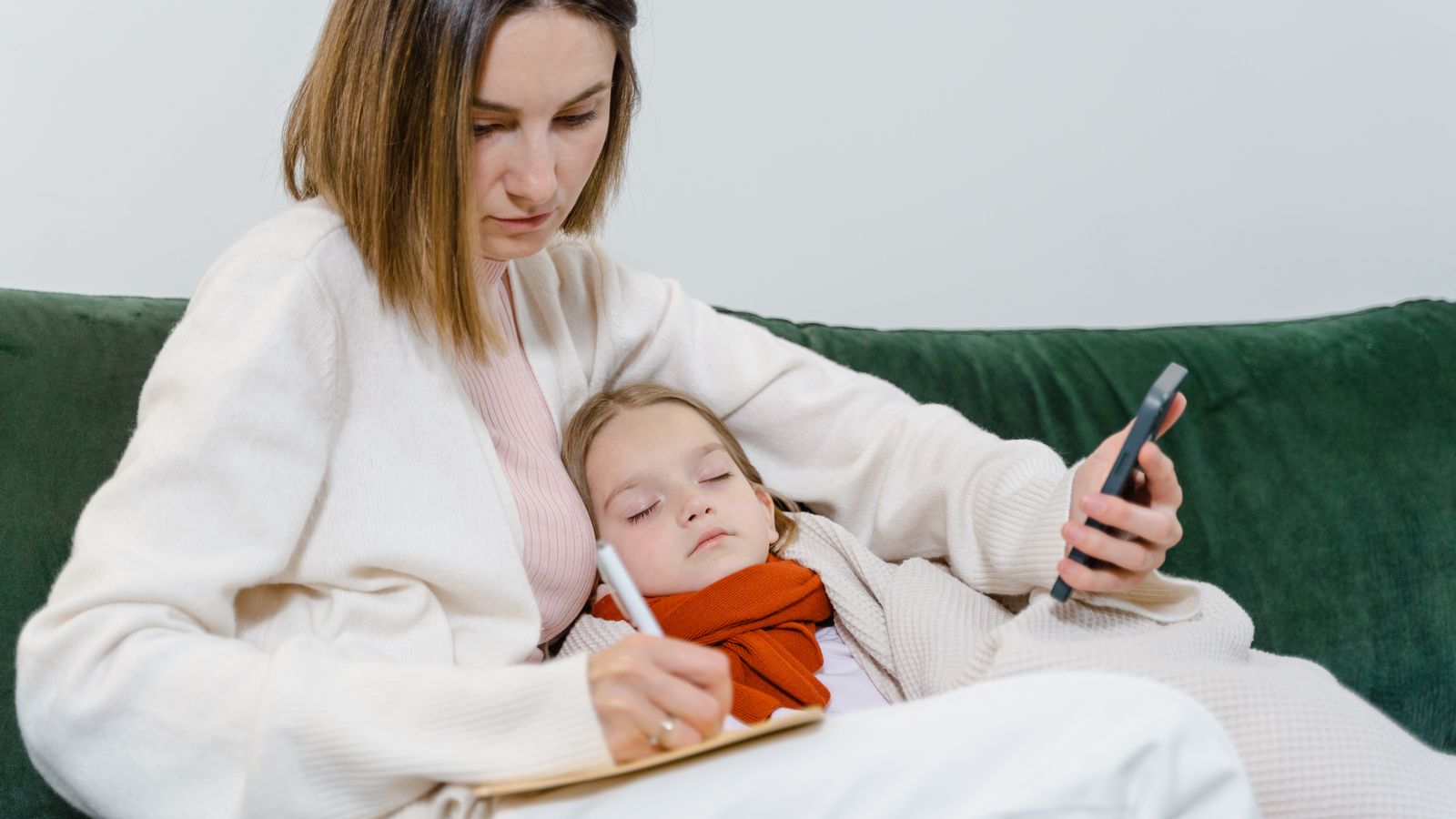
Can an au pair look after a sick child at home? Sometimes, but not simply because they live in the household. An ordinary, mild illness may fit an already agreed childcare shift if the au pair accepts the arrangement, the child needs no specialist medical care, applicable programme and working-time rules allow it, and a parent remains reachable and ready to take over. A sick child does not automatically make an au pair available all day. Medical decisions and genuine backup childcare remain the parents' responsibility.
This is a practical coordination guide for families and au pairs, not a diagnosis or an authorisation to provide nursing care. Official sources were checked on 17 November 2026. A child's personal clinician-written plan, local emergency advice and destination-specific rules take priority.
Decide on three things before the morning routine changes
1. Should the child attend? The parent decides, checks the nursery or school's policy and informs it about an absence. In England, the NHS advises staying home with a high temperature until it has gone, and staying away for 48 hours after the last episode of vomiting or diarrhoea. The US CDC describes a different, context-specific return-to-school framework, including a period free from fever without fever-reducing medicine. Neither country's advice automatically governs another country.
2. What kind of care is needed? Quiet rest, familiar food, fluids and companionship may be ordinary childcare. New medication decisions, persistent worsening symptoms, clinical monitoring and specialised nursing are different. If a child needs a clinician, a parent arranges that assessment and follows the professional's advice. For breathing difficulty, reduced responsiveness, seizure or other emergency signs, seek urgent local medical assistance immediately, then notify the parent.
3. Who is on duty, and for exactly how long? Read the actual weekly schedule. Germany's Federal Employment Agency explains au-pair childcare as part of a cultural-exchange placement. In the Netherlands, IND states that the signed weekly schedule has a maximum of eight hours per day and thirty per week, with two days off, and excludes specialised nursing duties. These are jurisdiction-specific examples, not a universal global rule.
Use a simple green, amber, red decision
-
Green --- possible ordinary supervision: a child has mild symptoms, can rest comfortably, the parent has determined a safe plan, the au pair explicitly agrees, the shift is lawful and already covered, and a parent is immediately reachable.
-
Amber --- parent or qualified backup takes over: the child needs a medical opinion, closer care than the au pair can provide, new medication instructions, or supervision outside the agreed hours. Never treat an unfamiliar symptom as a test of the au pair's judgment.
-
Red --- urgent help, not a handover: severe breathing difficulty, unresponsiveness, a seizure or another suspected emergency means contacting local emergency services and following the child's individual action plan. No written checklist replaces urgent care.
Give a written handover that can be used in the moment
A useful sick-day note says who does what, rather than simply 'keep an eye on them'. Agree on these details before the parent leaves:
-
Current condition: what the parent observed, when it was observed and any existing clinician instructions. Avoid asking the au pair to diagnose.
-
Comfort plan: approved drinks, familiar food, rest arrangements and what to avoid, including contact with visitors or vulnerable household members.
-
Medicine boundary: any medicine is administered only if legally permitted, explicitly authorised and supported by clear current instructions and appropriate competence. Do not guess a dose or substitute products.
-
Call-now triggers: the specific change that means the au pair contacts the parent or seeks emergency help.
-
Contacts: the parent, a named backup adult, local clinical advice and emergency telephone numbers, plus the home address.
-
Hours: start and finish time, who covers breaks and who physically takes responsibility at the end of the shift.
Worked example: a fictional Tuesday
At 07:10, a parent notices the child's fever. They contact the nursery and check their own guidance. The au pair was already due to supervise the child from 09:00 to 12:00; after a discussion, they agree to quiet, non-medical care during those three scheduled hours. The parent remains available by phone, leaves a written handover, and returns at noon to take over. Another adult covers the afternoon. If the child's condition worsens, the parent takes over immediately and arranges appropriate medical help. The family does not quietly convert 12:00--17:00 into unpaid availability.
These times and circumstances are invented to illustrate coordination, not a recommendation for any specific illness or country's legal limits.
Who decides when the child returns to school?
The parent follows the actual school or nursery policy and local public-health advice, consulting a healthcare professional when needed. The NHS England guidance on fever and stomach illness and the US CDC's school framework are useful examples, but their exact thresholds differ. The au pair can relay observations; they should not be required to certify recovery.
Copy this seven-line sick-day card
-
Child and date:
-
Symptoms observed and time:
-
Parent's approved comfort and food plan:
-
Existing medical instructions and medicine authorisation, if applicable:
-
Exact triggers for calling a parent or emergency help:
-
Parent, backup and local emergency contacts:
-
Duty starts, duty ends and name of the adult taking over:
Keep the card privately accessible, update it when facts change, and dispose of obsolete copies that contain a child's medical information.